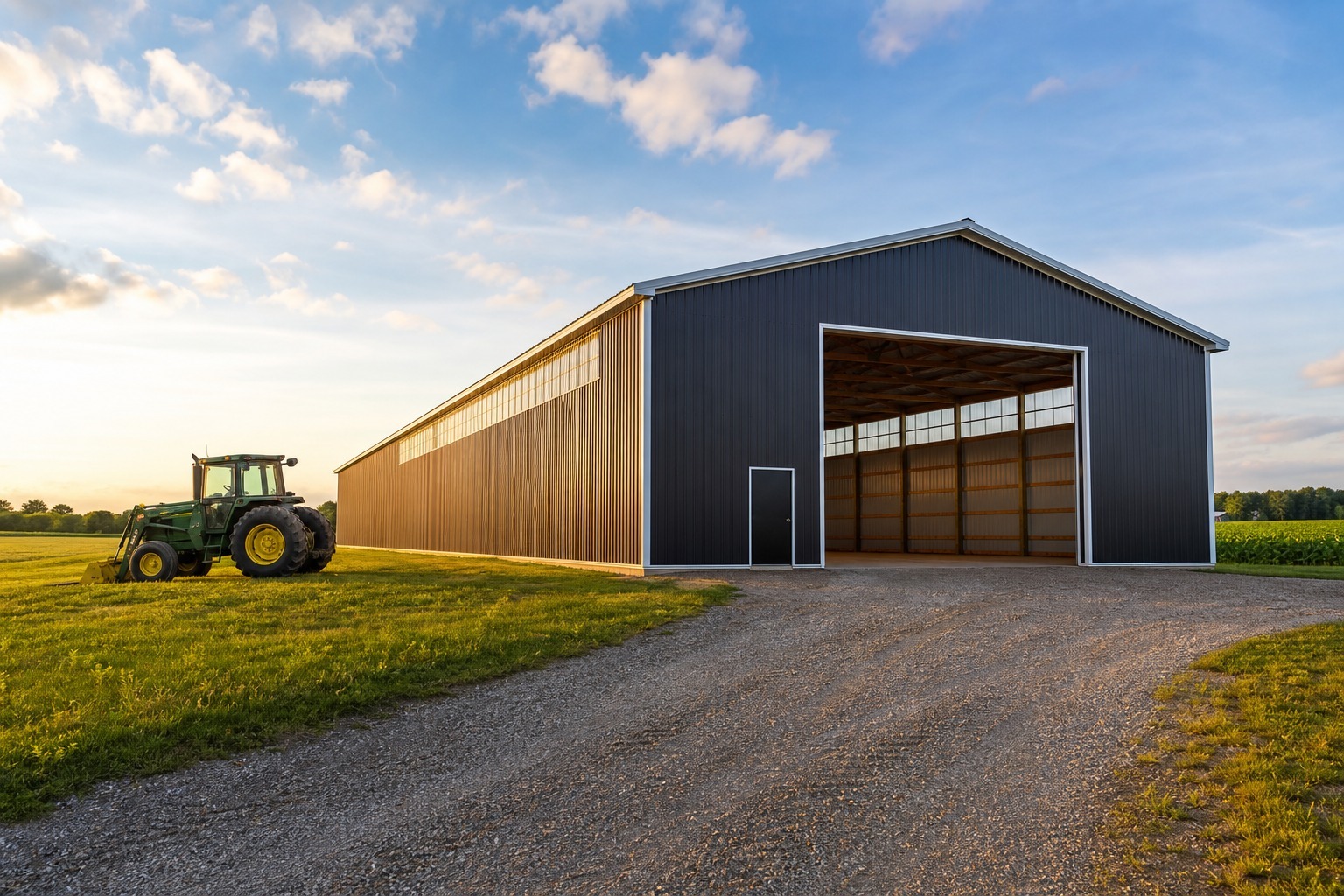

The owner’s main website was dated and not built to sell, but that turned out not to matter much. Paid traffic was never going to land there anyway. Instead, we built a series of landing pages and squeeze pages, one set of four buyer specific paths (dairy and livestock buildings, cold storage and vegetable or ginseng buildings, insulated shops, and contractor or developer packages), built to deploy fast and swap out so we could actually test which offer resonated with which buyer instead of guessing. Each path is backed by a lead offer built to beat a discount: for example, one offer was free engineer stamped structural and foundation drawings (normally a real cost) plus a 7 business day quote turnaround against a market where competitors routinely take 8 to 12 weeks. The tracking underneath all of it runs deeper than a pixel. Every click, every inbound call, and every text message back to the number on the page gets tied to the exact ad and exact segment that generated it, and the owner gets a text the moment a real lead comes in, so nothing sits in an inbox unnoticed and no spend disappears into a number nobody can explain.
On the buyer’s side, someone searching for a dairy barn or a cold storage building on Facebook sees an ad built for their specific use case, lands on a page that speaks their language instead of a generic “steel buildings” pitch, and can have a fixed price, engineer stamped quote in the owner’s inbox inside a week. On the owner’s side, quote requests now show up steadily through the week instead of in bursts around trade show season, tagged with the building type and size so he knows what he is calling back before he picks up the phone.
We started with a deep discovery session to get past the pitch-deck version of the business, then built an offer strong enough to earn a click without discounting the product, then wired tracking tight enough that every number on the dashboard is a number worth acting on.
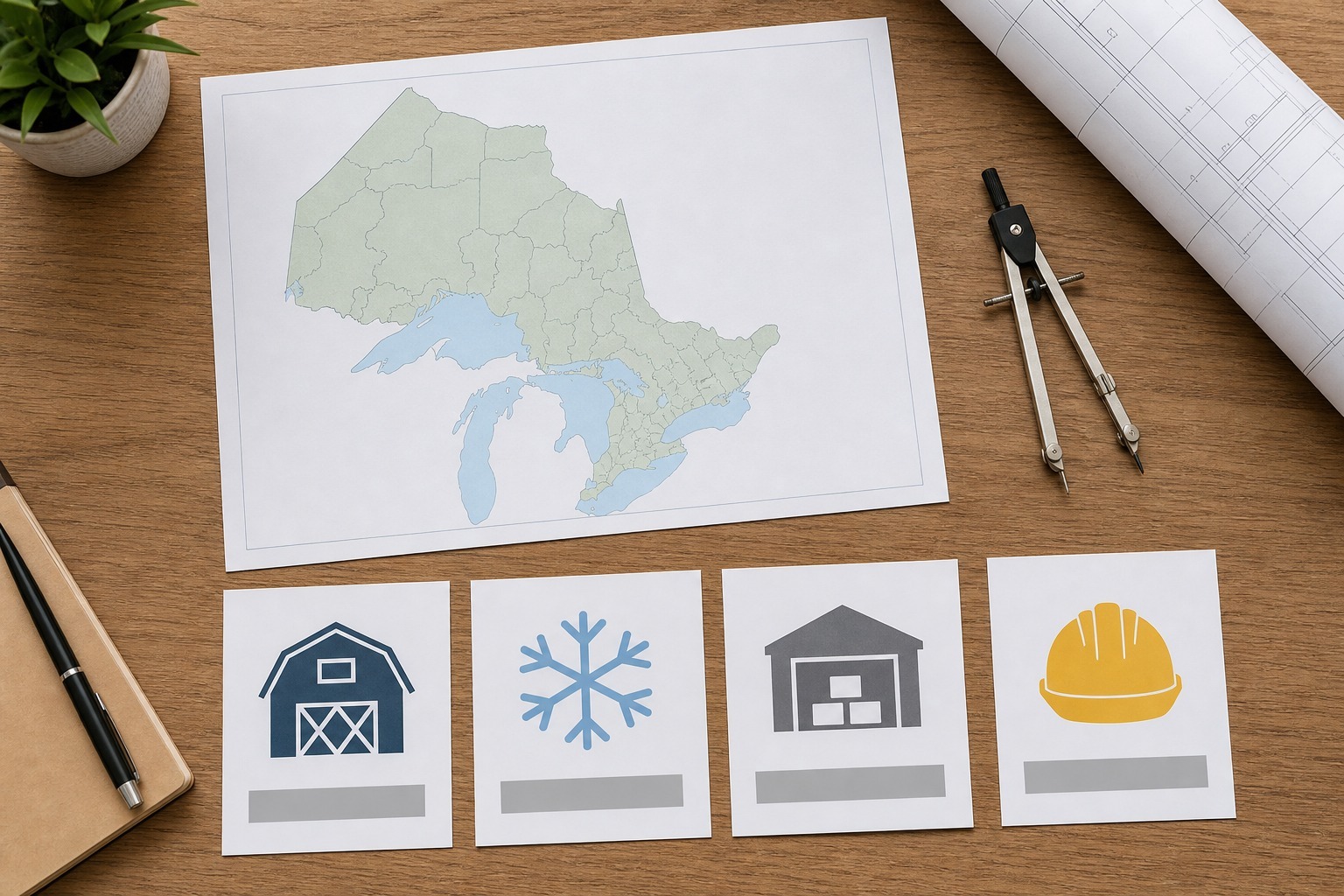
Every engagement starts with a 2–4 hour owner discovery session before a single ad or page is built. For this project, that session exposed the real growth problem: one generic “steel buildings” message was trying to speak to four very different buyers. We broke the market into clear segments: dairy and livestock producers, cold storage growers, insulated shop buyers, and contractors looking for stamped, palletized kits. The bigger insight was that price was not the main objection. Trust was. Ontario ag buyers default to wood framing and often see steel as “commercial only,” so the strategy had to make steel feel credible, practical, and worth the upgrade. Discovery also uncovered the owner’s bigger vision: in-house engineering, in-house manufacturing, and a future dealer network. The funnel was built for that future, not just today’s lead flow.

The owner’s instinct, like most people selling a big ticket product, was to talk price. We built the offer around what actually moves a buyer at this price point instead: free engineer stamped structural and foundation drawings (a real cost most competitors pass on to the buyer) bundled with a 7 business day quote guarantee, in a market where the established competitors take 8 to 12 weeks to even respond. We also made the call to put the 10 to 15 percent upfront premium over wood framing directly on the page instead of hiding it, and frame it as buying equity, not paying more. Owning the tradeoff builds more trust with a buyer doing six figures of due diligence than pretending it does not exist.

With a product this expensive, a handful of leads either way changes the entire read on the campaign, so getting the tracking right mattered more than usual, and a pixel alone was not going to cover it. We wired the Meta pixel and a custom conversion to the actual thank you page a visitor only reaches after submitting the quote form, then took it further: inbound calls and texts back to the number on the page get tracked to the exact ad and segment that generated them, not lumped into one generic phone line. The owner gets a text notification the instant a real lead comes in, whether it started as a form fill, a call, or a text, so a hot lead never sits unanswered while he is on a job site. When cost per lead numbers didn’t match between what Meta reported and what the owner was actually receiving, we traced it back to two different tracked events and rebuilt the report so everyone is reading the same number.
Everything below works together to turn a cold click into a qualified quote request the owner can actually act on.
.svg)


In the first two weeks after launch, the campaign generated 30 tracked, verified quote requests against roughly $400 in ad spend, a blended cost per lead in the $13 to $17 range, with the single best ad pulling leads for under $6 each. That pace works out to somewhere around 40 to 45 qualified leads a month, up from the roughly 3-5 a month the trade show and print budget had been producing, and closing in fast on the owner’s target of 50 or more. It moved so fast that volume actually became the problem to manage: real conversations, real quotes going out the door, in numbers high enough that we had to narrow the targeting down to larger dairy barns and cold storage buildings specifically, so the owner’s time went toward the deals worth $30,000 to $60,000 in net margin instead of getting spread thin across smaller jobs. For a business where the old $20,000-plus annual trade show budget produced leads that likely cost well over $300 each once you do the math on volume, a $13 to $17 lead is not a marginal improvement. It’s a different business model.
The feedback loop back from the client has been consistent: leads are coming in steadily enough, and cheaply enough, that when we proposed a fresh round of optimizations, the call was to leave the winning setup exactly as it is and keep it running. And this campaign is really just phase one. Our engagements with growing businesses like this one follow a set arc: get the lead engine running and proven first, because a business with no leads has nothing else worth optimizing.
From there we move into dialing in the online presence the leads actually land on, tightening the website, the Google Business Profile, the review flow, the case studies, so the trust built by the ad is not lost the moment someone clicks through. The last layer is automation: routing leads into a CRM, building the follow-up sequences that catch the ones who do not answer the first call, and cutting out the manual work of quoting, tagging, and chasing so the owner’s time goes to closing deals instead of admin. For this client that means the four segment landing pages and the tracking stack are the foundation of a much bigger system still being built out underneath the business, not the finished product.
Custom software, high end websites, leads for your business. We can help...


.avif)

