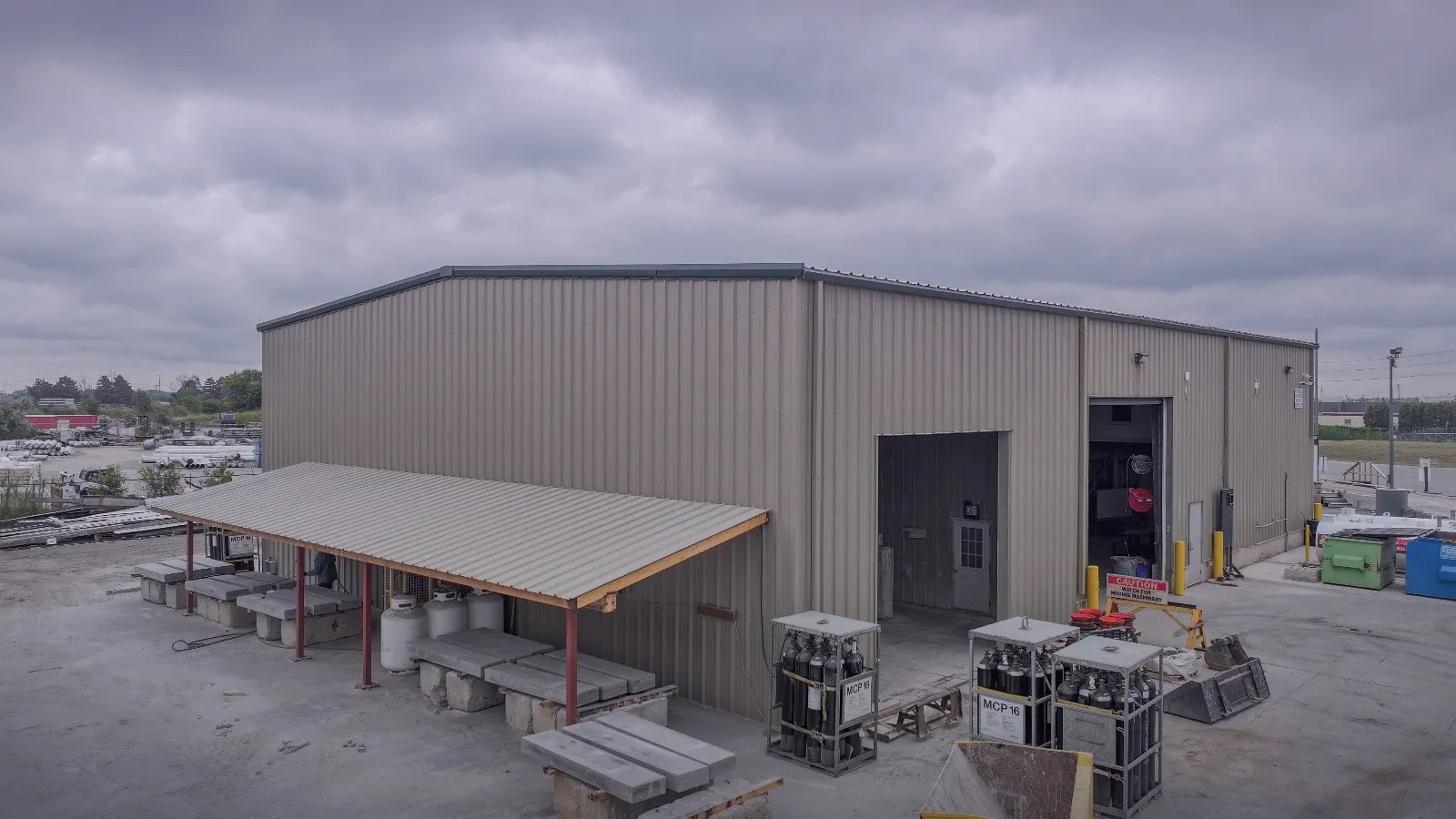

Instead of cutting ad spend, we reshaped what happens after the click. In late August we launched a new campaign pointing to a rebuilt landing page with a multi-step building estimator. Instead of a one-line form, buyers walk through what they want to build, how it will be used and the size they have in mind. People who aren’t serious tend to drop off; people who are hand over far more useful detail. Meta conversion tracking was moved to the completed estimate, so the ad algorithm learns from finished quote requests rather than half-filled forms.
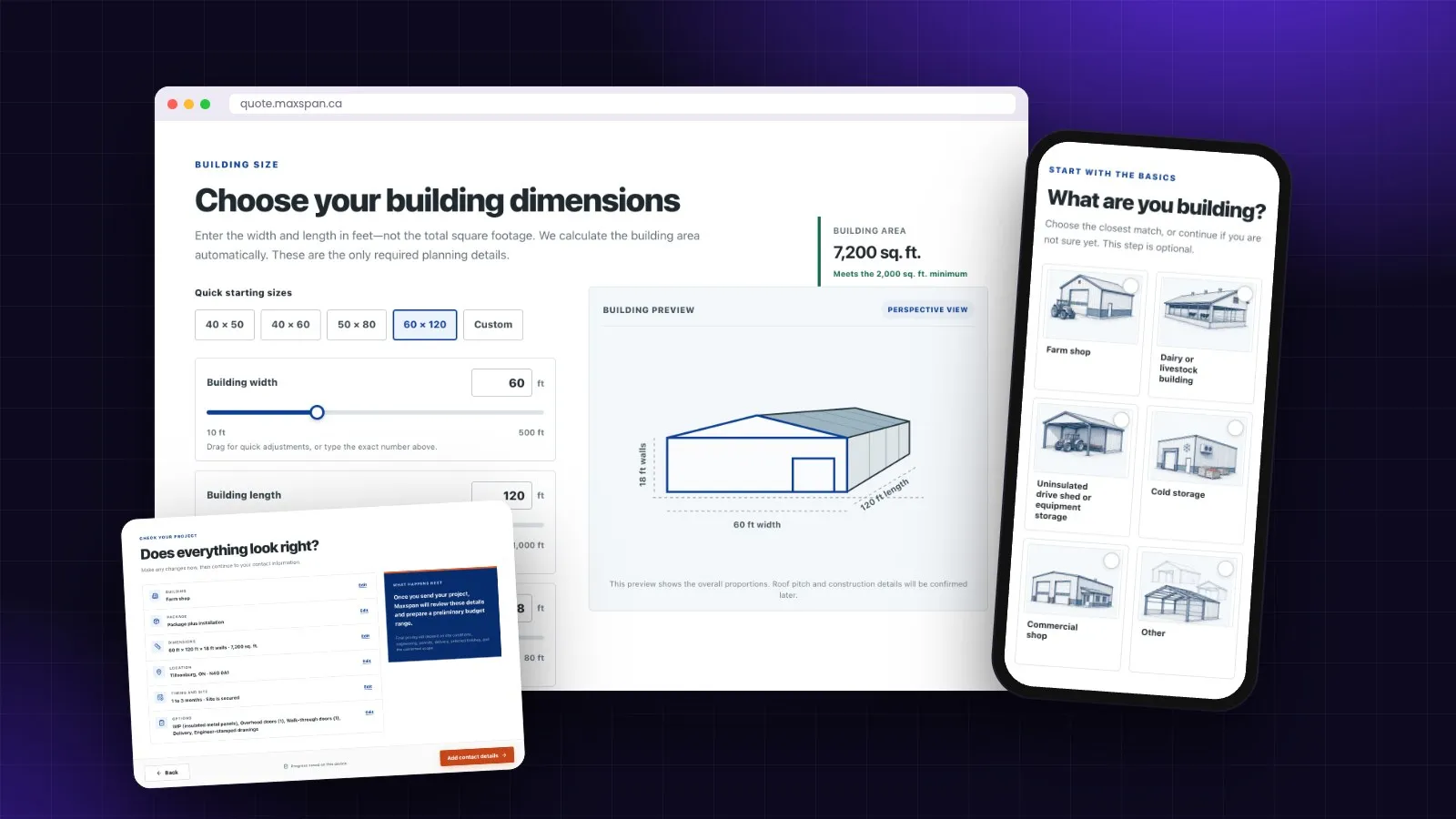
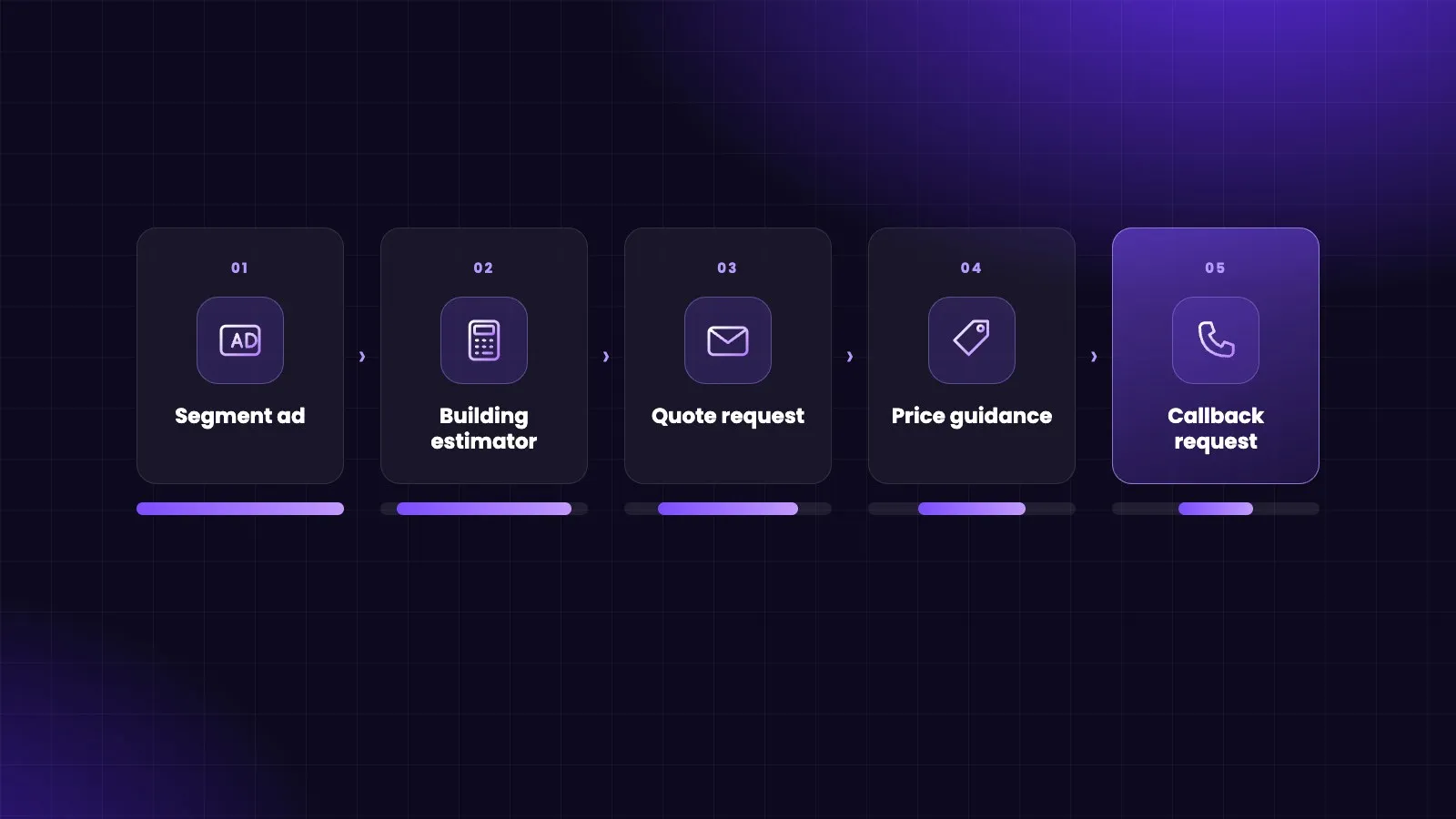
In October we added the final filter: a callback request. After submitting an estimate, buyers see rough price guidance and clear next steps on the thank-you page, so anyone who was only window-shopping can self-qualify out right there. Buyers who are ready can ask the owner to call them in one click, with their project and contact details carried over so they never retype anything. That callback request is the strongest intent signal in the whole funnel, and it is now the list the owner works from first.
We kept the ads that were working, added friction exactly where it separates serious buyers from curious ones, and made sure every step was still tracked.
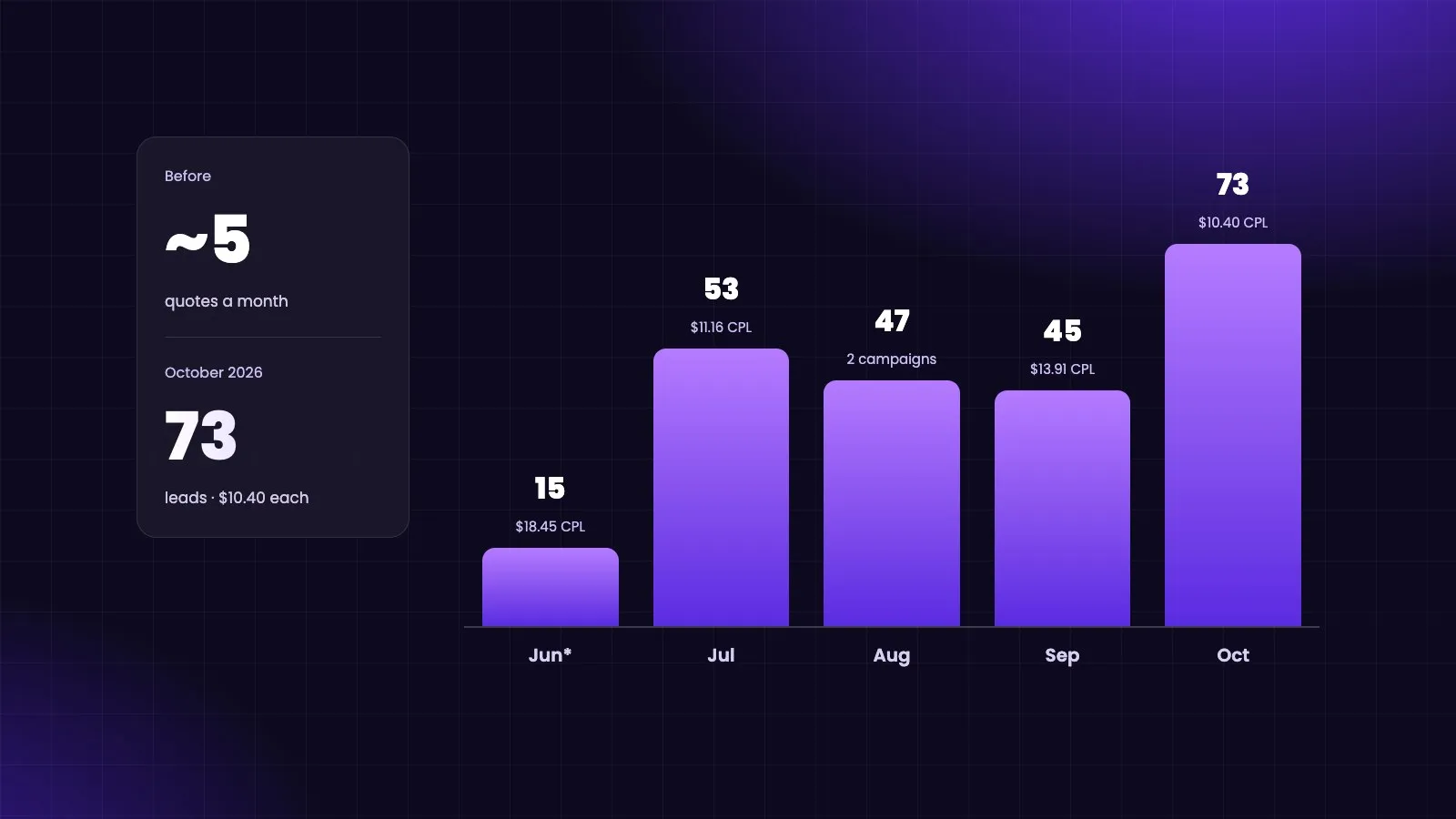
Once the campaign was live, monthly lead volume climbed quickly: 15 in the partial first month, 53 in July, then 45 to 73 a month through the fall. For a business that used to see about five quotes a month, that was a win, but it also meant the owner was spending a growing share of the week preparing quotes for people who were never going to build. The question shifted from how to get more leads to how to get the right ones to the top of the pile.
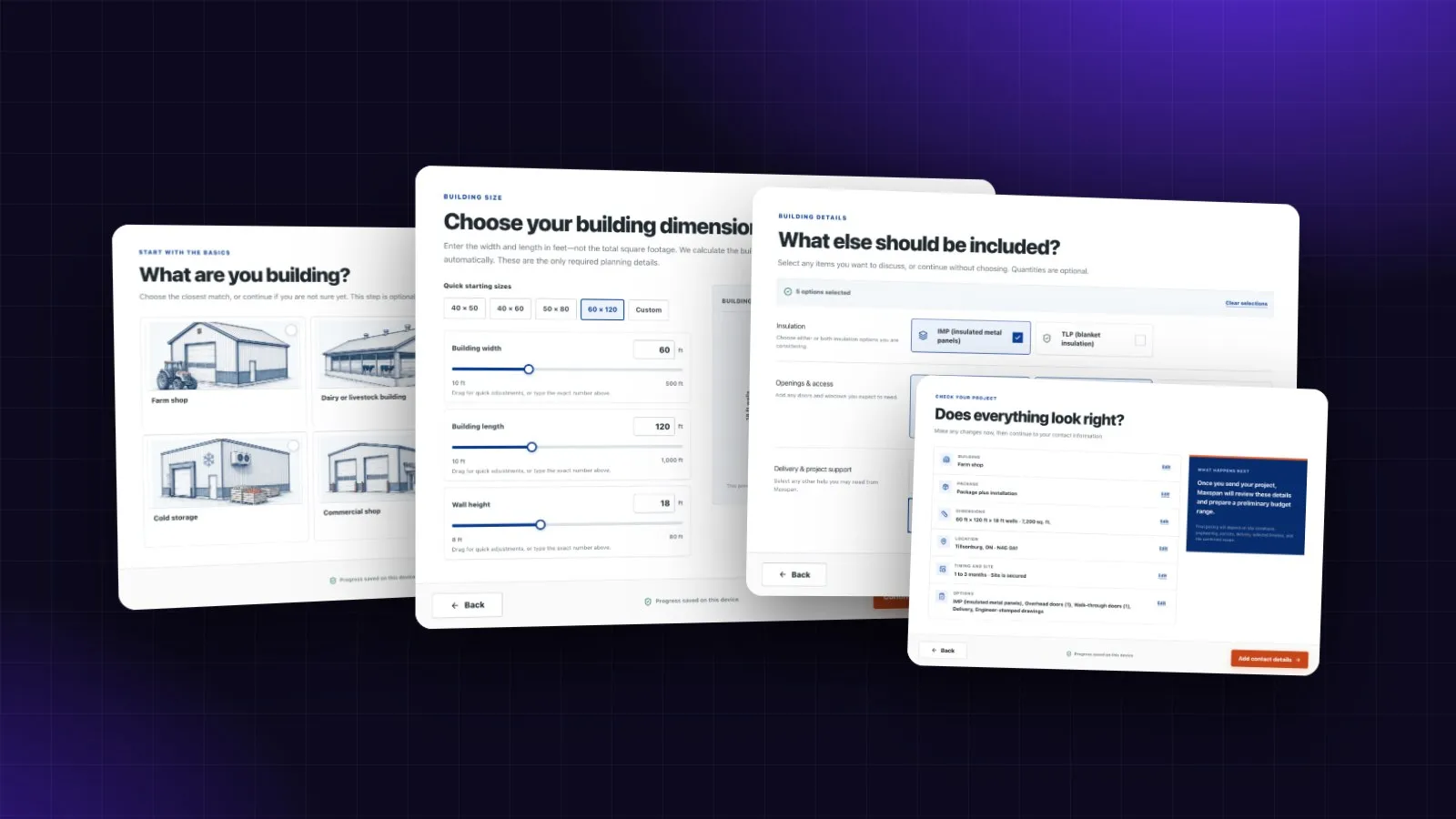
The multi-step estimator launched on August 24. In its first week it delivered 11 real quote requests at $12.51 each, and the detail inside them was a step change: farm shops, drive sheds and commercial shops with a median size of 7,200 square feet, and 9 of the 11 asking for delivery and engineer-stamped drawings. That is the kind of information the owner used to have to dig for on the phone, now arriving before the first call.
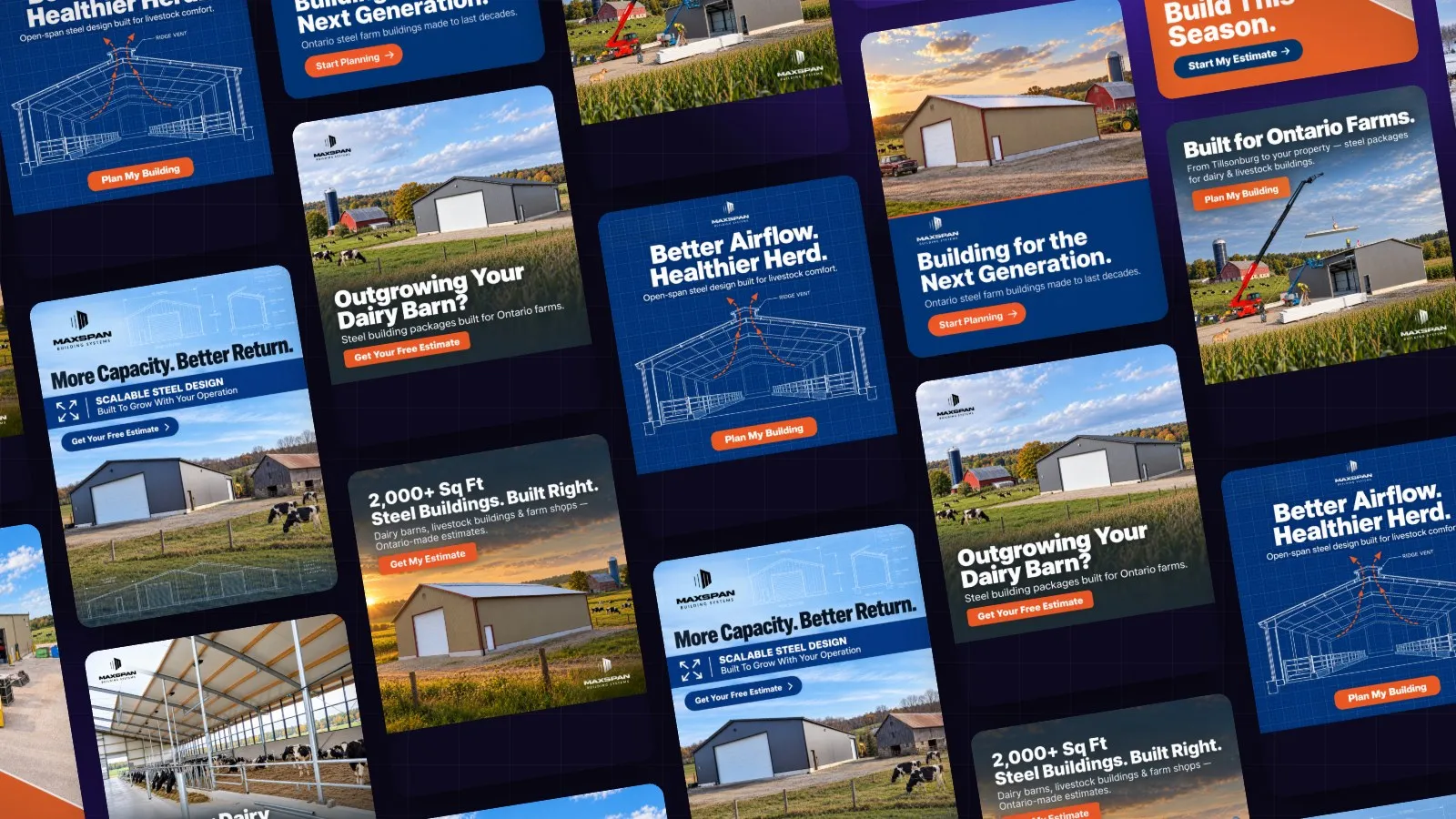
The callback request is deliberately an extra step. Buyers who take it have already worked through the estimator and seen rough pricing, so asking for a call means they are genuinely interested. Their details carry straight over, bot protection keeps junk out, and the owner can prioritize these conversations ahead of everything else. The ads themselves stayed segmented by buyer type and point to “Plan my building,” which sets the expectation of a planning process rather than a quick price.
Everything below works together to turn a busy lead flow into a prioritized list of serious buyers.


Adding steps didn’t choke off the pipeline. In October, the campaign delivered 73 tracked quote requests at $10.40 each on the same $25 per day budget, reaching more than 17,500 people with a 3.46% click-through rate. What changed is what those leads look like and how the owner handles them. Buyers who work through the estimator, see price guidance and still request a callback have shown real intent before the phone ever rings, and those leads have proven to be much higher quality than the quick form fills that came before. The owner now starts each day with that callback list instead of a pile of undifferentiated quote requests, so quoting time goes to the projects most likely to close.
The next step is measurement all the way to the sale: tracking how many completed estimates turn into callback requests, calls and signed projects, so the ads can eventually optimize for buyers who build, not just buyers who ask. It is the same principle behind every lead generation system we build. First make the phone ring, then make sure the right people are on the other end.
Custom software, high end websites, leads for your business. We can help...


